
ADVERTORIAL · EVERYDAY HEALTH · 3 MIN READ
Brushing, flossing and mouthwash all do the same job. Here's the one thing none of them do.
Morning and night. Two minutes if we're being honest, a bit less if we're running late.
It's one of the few health habits almost every adult sticks to for life. And it matters — brushing clears away food and the sticky film that builds up on teeth every day.
But there's a part of the story that rarely gets mentioned.
The mouth is home to hundreds of different kinds of bacteria. Researchers call this community the oral microbiome.
Not all of them are a problem. Plenty are helpful, and researchers increasingly describe a clean, fresh-feeling mouth in terms of balance — the helpful kinds keeping the less helpful kinds in check.
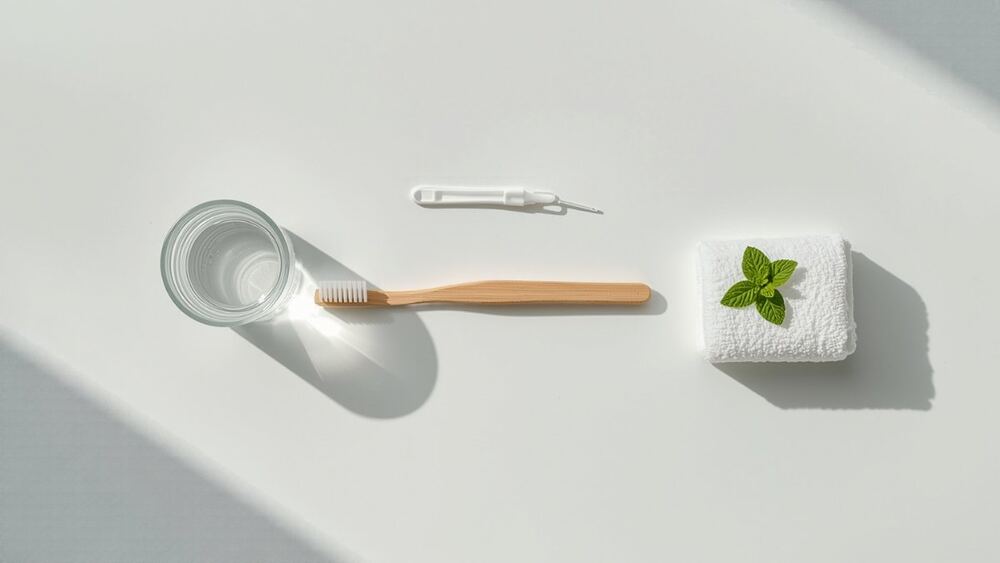
Look at the usual routine and every step does the same job: it takes things away.
Brushing scrubs. Floss scrapes. Many antiseptic mouthwashes are designed to kill bacteria broadly — the helpful kinds along with the rest.
None of it adds helpful bacteria back.
It's the same idea many people already know from gut health. We've spent years hearing about "friendly bacteria" for digestion. Far fewer people have heard the same thinking applied to the mouth.

That's why some people now add one small thing after brushing: a chewable tablet that slowly melts in the mouth, made with probiotic strains chosen for the mouth rather than the gut, plus a few plant-based nutrients.
It takes about a minute. There's nothing to rinse afterwards.
It isn't a replacement for anything. Keep brushing. Keep flossing. Keep your dental check-ups. This is simply the one step in the routine that puts something back instead of taking it away.
General information only. Not dental or medical advice, and not a typical or guaranteed result. Talk to your dentist or doctor about any concern.